
The Role of Soft Tissue Massage in Athletic Recovery: A Case Study


Understanding Soft Tissue Massage
Soft tissue massage is a therapeutic technique that targets muscles, tendons, and ligaments to alleviate pain and promote healing. Widely used by athletes, this form of massage can significantly enhance recovery and performance. By focusing on the manipulation of soft tissues, it aids in reducing muscle tension and improving circulation.
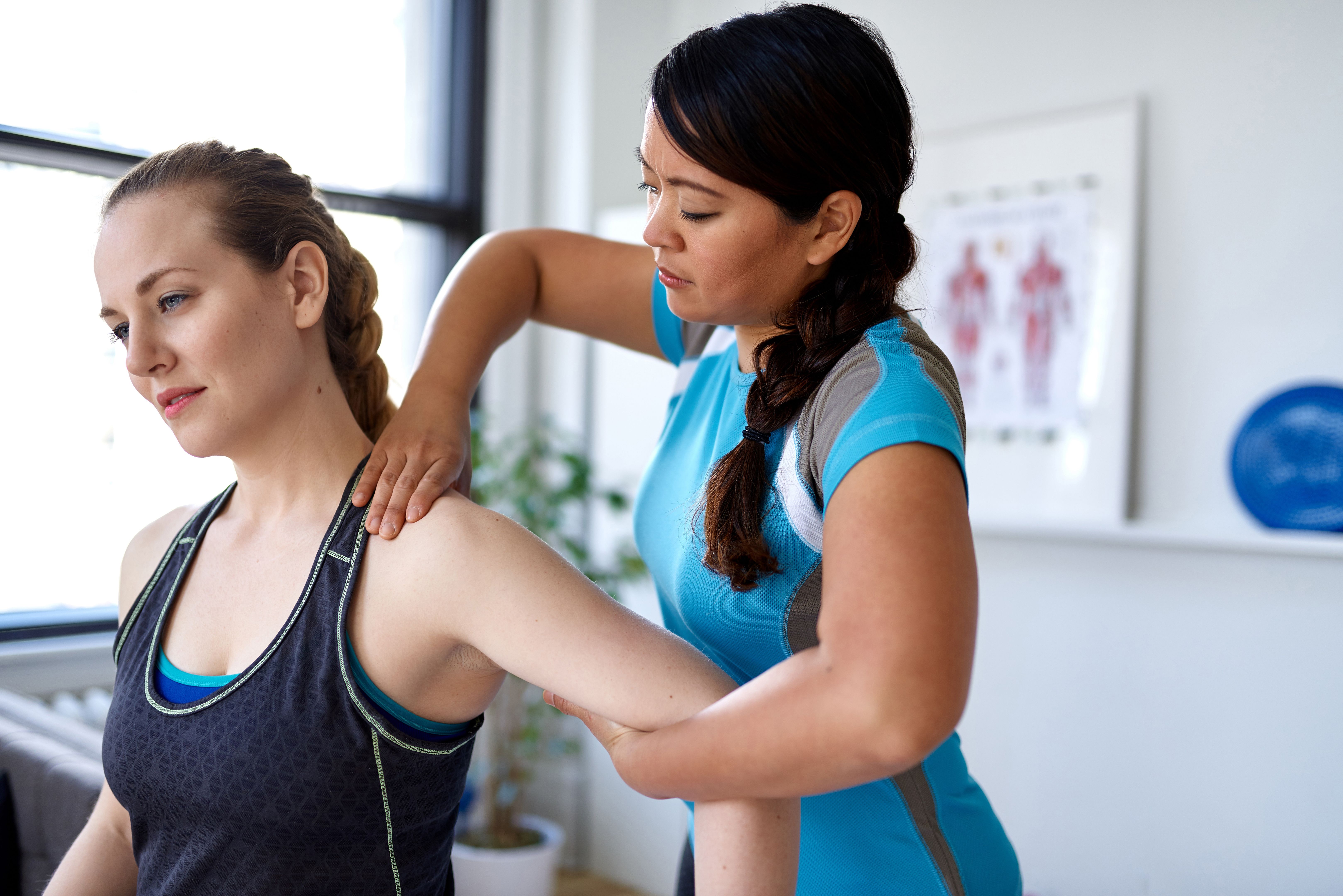
Many athletes incorporate soft tissue massage into their routines to prevent injuries and expedite recovery. This practice not only helps in managing pain but also in increasing flexibility and range of motion, which are crucial for maintaining peak performance.
The Science Behind Massage
Soft tissue massage works by stimulating blood flow and breaking down scar tissue, which can form after intense physical activity. This increased circulation promotes the delivery of oxygen and nutrients to the affected areas, speeding up the healing process. Additionally, the pressure applied during the massage can help in reducing muscle stiffness.
Research supports the efficacy of soft tissue massage in reducing inflammation and muscle soreness. By manipulating the soft tissues, massage therapists can also activate the parasympathetic nervous system, which is responsible for the body's rest and digestion functions, further aiding recovery.
Athlete Case Study: Enhanced Recovery
Consider the case of a professional runner who experienced frequent hamstring strains. After incorporating regular soft tissue massage sessions into their training regimen, the athlete noticed a marked decrease in injury frequency and recovery time.

The massage sessions focused on the hamstring and surrounding muscles. By doing so, the runner reported not only a reduction in pain but also an improvement in overall performance, as the massage helped maintain muscle elasticity and joint flexibility.
Benefits Observed
- Reduced muscle soreness and fatigue
- Improved flexibility and range of motion
- Decreased frequency of injuries
These benefits are not isolated to professional athletes. Recreational athletes and fitness enthusiasts can also experience significant improvements in recovery and performance through regular soft tissue massage.
Practical Implementation
Incorporating soft tissue massage into an athlete's routine requires planning and consistency. It is often recommended to schedule sessions post-training or on rest days to maximize recovery. Working with a skilled massage therapist who understands the specific needs of athletes can further enhance results.
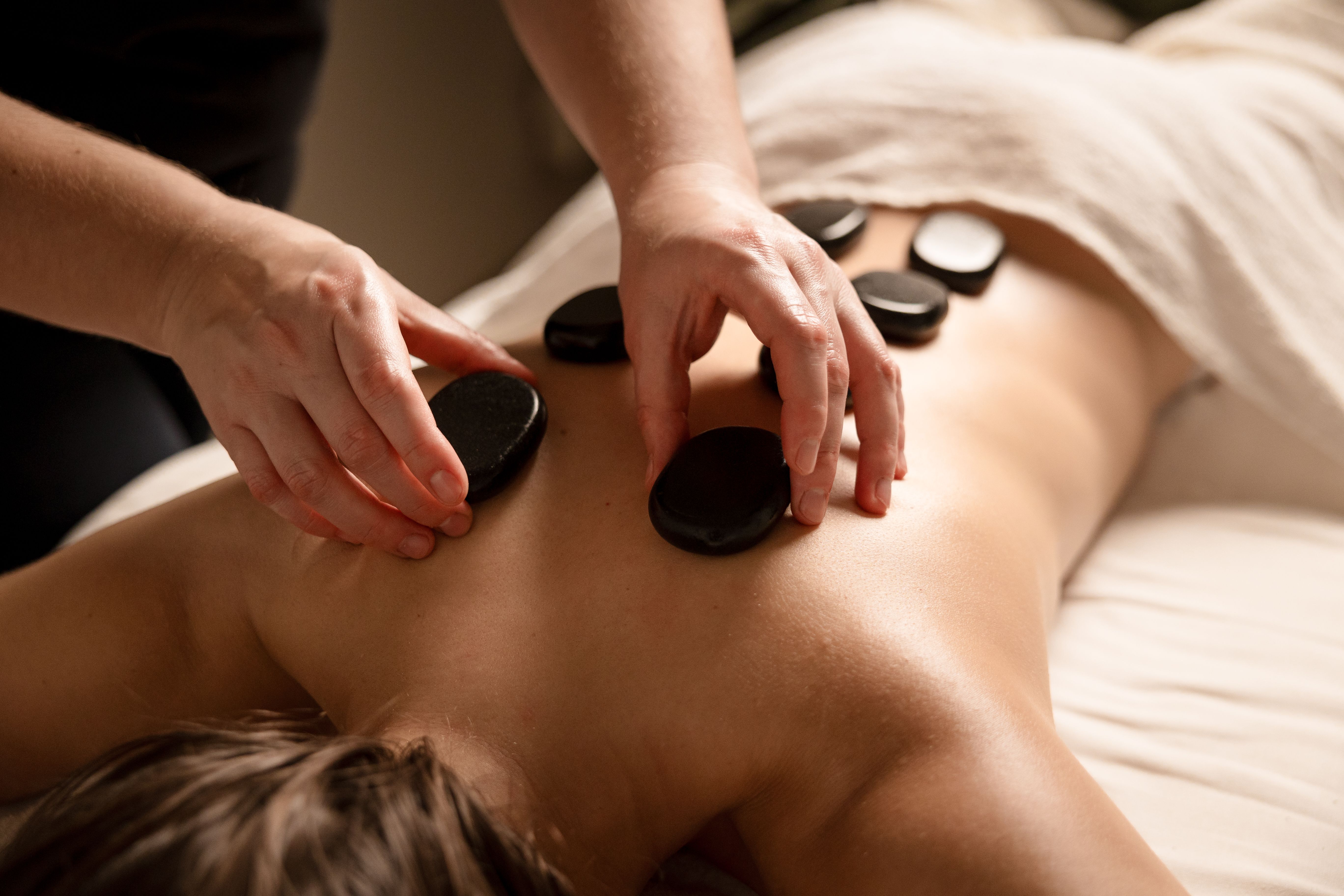
Combining massage with other recovery techniques, such as stretching and hydration, can provide a holistic approach to athletic recovery. This synergy ensures that athletes remain at the top of their game with reduced downtime due to injuries.
Conclusion
Soft tissue massage plays a crucial role in athletic recovery, offering numerous benefits that enhance performance and prevent injuries. Through strategic implementation, athletes can enjoy faster recovery times and sustained peak performance. As demonstrated in the case study, the positive impact of massage is both profound and measurable, making it an essential component of any athletic training program.