How to Prepare for Post-Marathon Recovery: Tips and Treatments


Understanding the Importance of Recovery
Completing a marathon is a remarkable achievement that demands both physical and mental endurance. However, the journey doesn't end at the finish line. Proper post-marathon recovery is crucial for your overall health and future performance. This recovery period helps repair muscles, replenish energy stores, and prevent injuries.
Immediate Post-Race Steps
Right after crossing the finish line, it's essential to focus on immediate recovery steps. Start by rehydrating with water or an electrolyte drink to replace the fluids lost during the race. Consuming a small meal rich in carbohydrates and protein within 30 minutes can accelerate muscle recovery.
Cooling Down
After a long run, your body needs to gradually return to its resting state. Engage in a gentle cool-down routine, such as walking or light stretching, to help your muscles relax and reduce soreness. Cooling down also aids in the removal of lactic acid buildup.
Rest and Sleep
Rest is a critical component of recovery. Allow your body time to heal by taking a break from intense activities. Aim for at least 7-9 hours of sleep each night, as sleep is when your body does most of its repair work. Consider incorporating short naps if possible.

Active Recovery
While rest is important, incorporating active recovery exercises can be beneficial. Engage in low-impact activities like swimming, cycling, or yoga to keep your body moving without adding stress. These exercises enhance circulation and help relieve muscle tension.
Nutritional Support
A well-balanced diet is crucial for effective recovery. Focus on consuming foods rich in antioxidants, omega-3 fatty acids, and protein. These nutrients aid in reducing inflammation and repairing muscle tissue. Incorporate fruits, vegetables, lean proteins, and whole grains into your meals.

Hydration
Maintaining proper hydration levels is essential even after the race. Continue to drink water throughout the day to ensure your body stays properly hydrated. Herbal teas and coconut water can also be beneficial additions to your hydration routine.
Professional Treatments
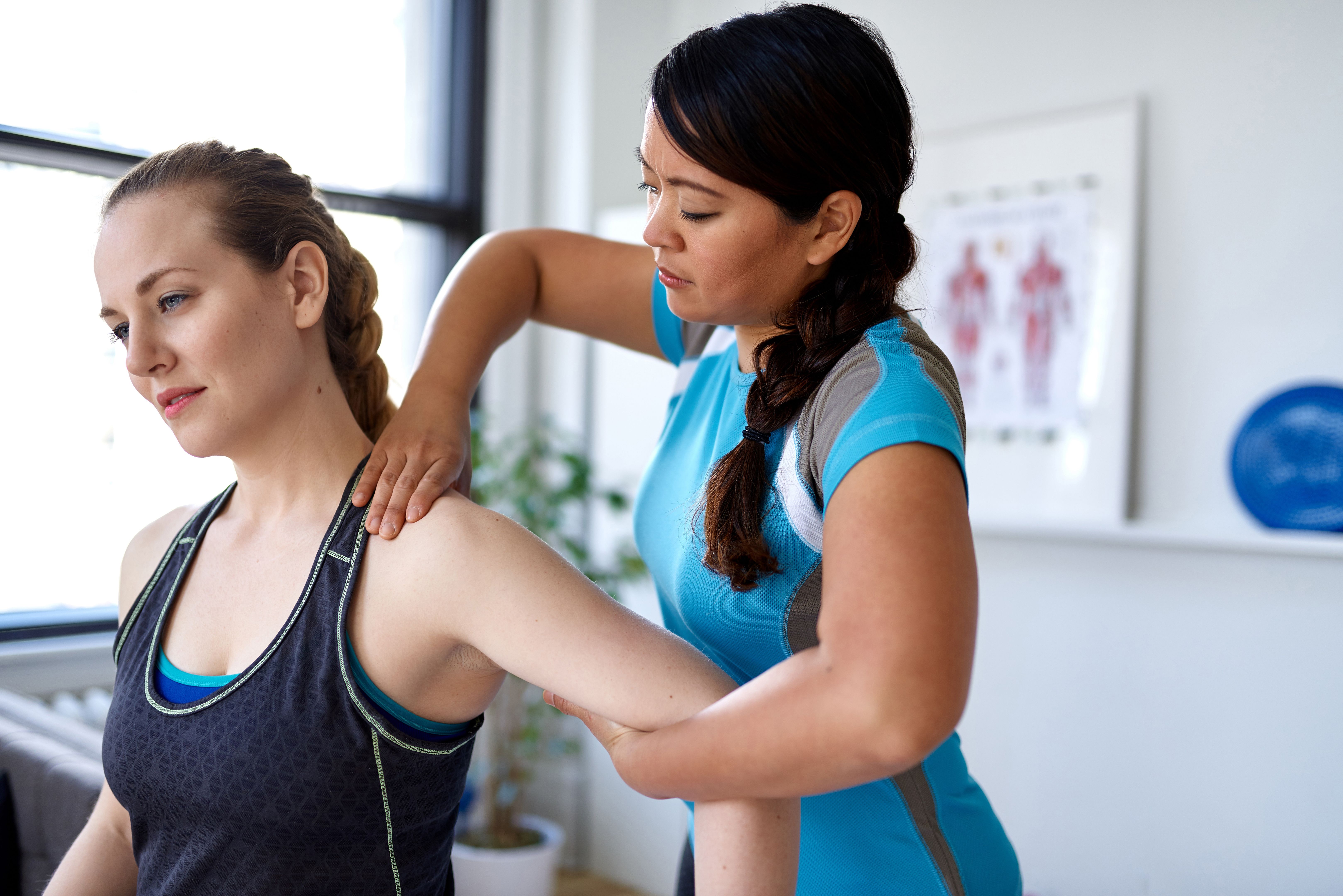
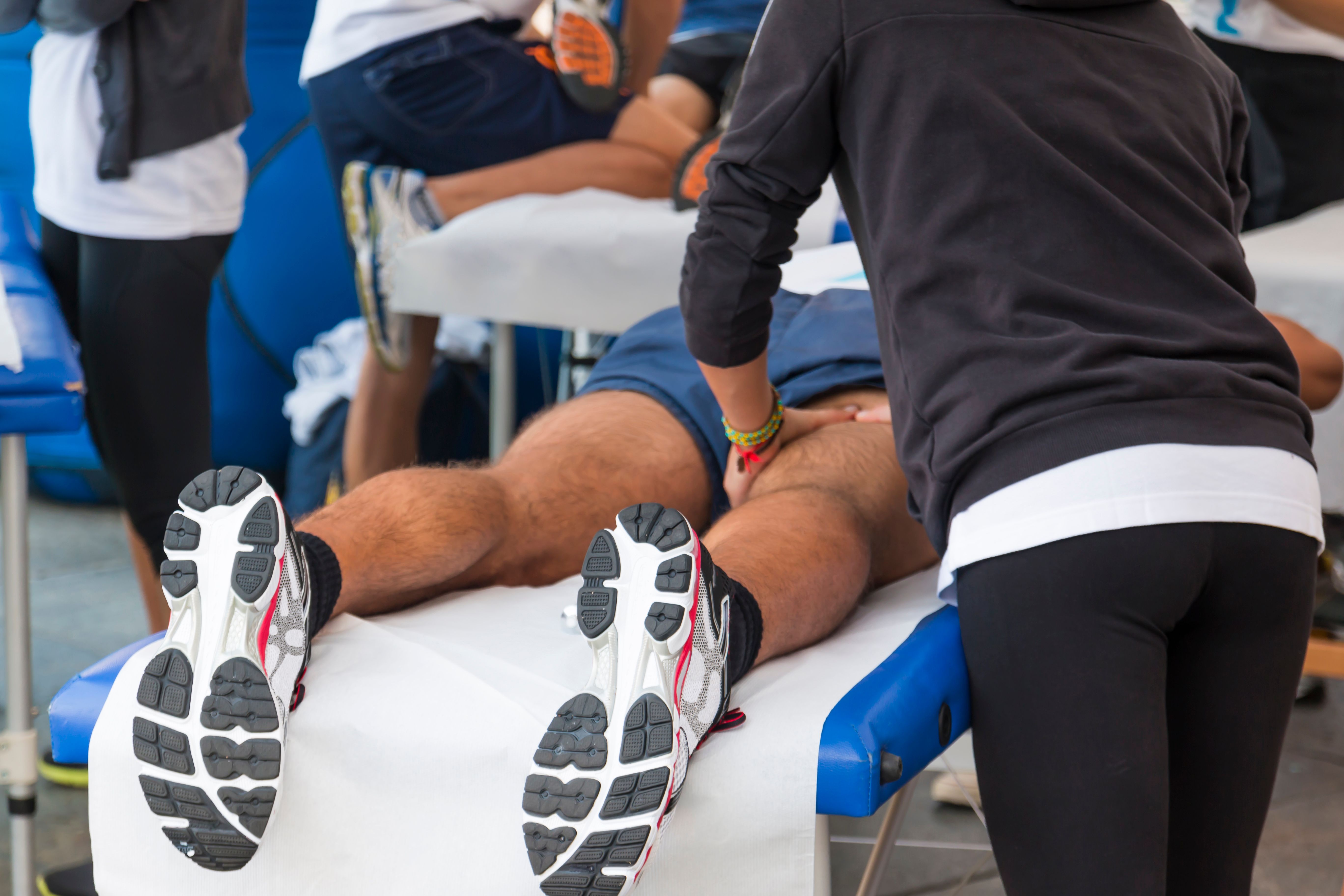
Consider seeking professional treatments to enhance your recovery process. Options such as sports massages, acupuncture, or physiotherapy can help alleviate muscle soreness and improve circulation. These treatments may also prevent potential injuries by addressing any imbalances.
Listening to Your Body
Finally, it's important to listen to your body. Pay attention to any signs of pain or discomfort and adjust your activity levels accordingly. If you experience persistent pain, consult a healthcare professional to rule out any serious issues.