
How Cryotherapy and Soft Tissue Massage Can Complement Your Fitness Routine


The Benefits of Cryotherapy
When it comes to enhancing your fitness routine, integrating new recovery methods can be a game-changer. One such method is cryotherapy, which involves exposing the body to extremely cold temperatures for a short period. This technique has gained popularity among athletes and fitness enthusiasts for its numerous benefits.
Cryotherapy helps reduce inflammation, alleviate muscle soreness, and speed up recovery time. By constricting blood vessels and decreasing metabolic activity, it helps to reduce swelling and tissue breakdown. This process can lead to a quicker recovery after intense workouts, allowing you to return to your fitness routine faster.

How Cryotherapy Works
During a cryotherapy session, you enter a chamber where temperatures can drop to as low as -200°F. The exposure typically lasts for two to four minutes. This extreme cold triggers the body’s natural healing mechanisms, releasing endorphins that help with pain relief and mood enhancement.
Many users report feeling invigorated and energized post-session, making cryotherapy a popular choice for those looking to optimize their recovery and performance.
The Role of Soft Tissue Massage
While cryotherapy offers a unique recovery method, combining it with soft tissue massage can enhance its effectiveness. Soft tissue massage focuses on manipulating muscles, tendons, and ligaments to relieve tension and improve circulation.
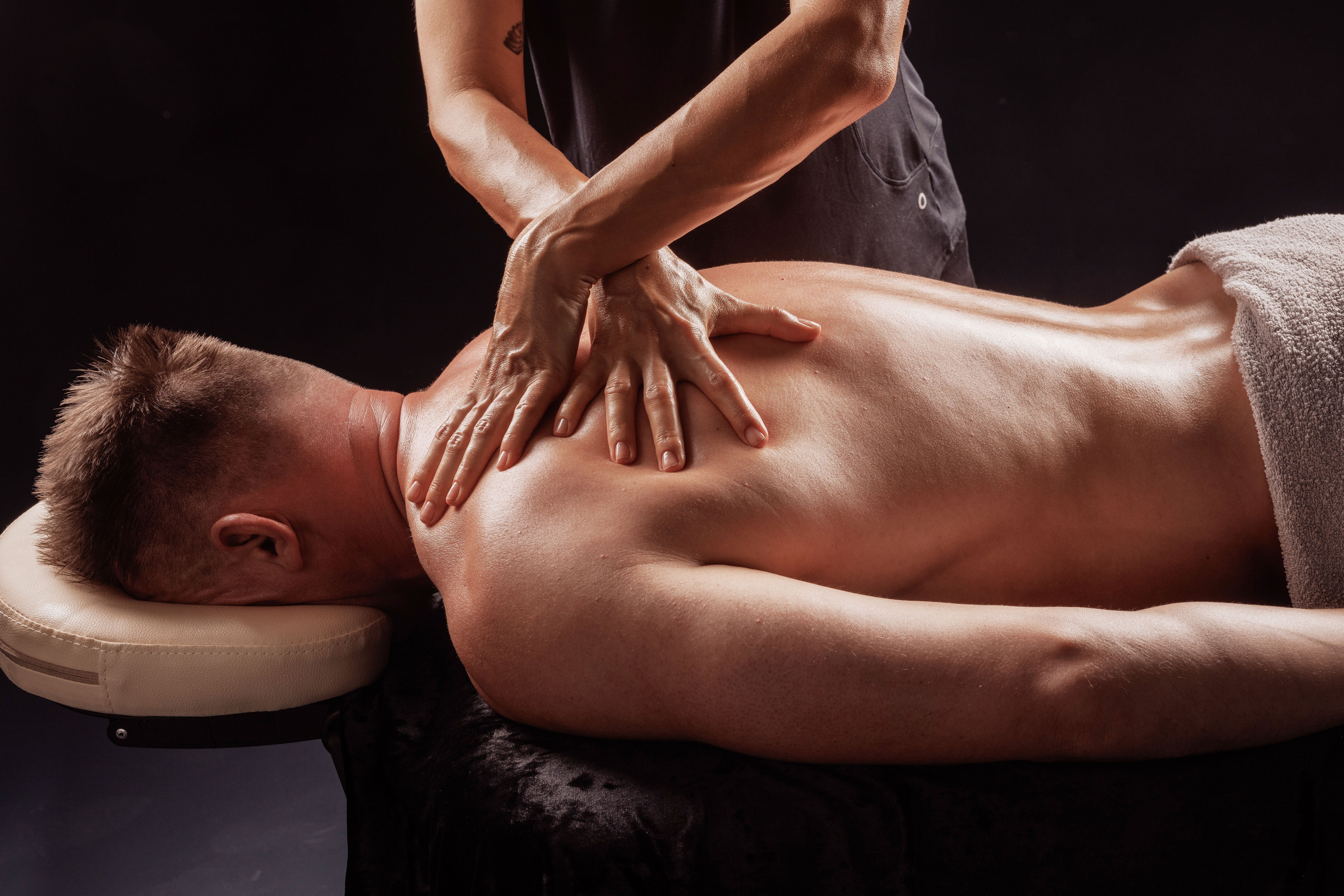
This type of massage is beneficial in reducing muscle stiffness and improving flexibility, which are crucial for maintaining peak performance in any fitness routine. By addressing muscle imbalances and promoting relaxation, soft tissue massage can help prevent injuries and enhance overall physical well-being.
Benefits of Combining Both Therapies
Integrating both cryotherapy and soft tissue massage into your fitness routine can offer a comprehensive recovery strategy. Here are some benefits of combining these therapies:
- Enhanced Recovery: Both therapies work to reduce muscle soreness and inflammation, promoting faster recovery.
- Improved Flexibility: Massage helps in maintaining muscle elasticity, while cryotherapy aids in reducing tightness.
- Injury Prevention: Regular sessions can help identify and address muscle imbalances, reducing the risk of injury.

Incorporating These Therapies into Your Routine
To make the most of both cryotherapy and soft tissue massage, consider scheduling regular sessions that fit your training schedule. Many athletes find success with weekly or bi-weekly sessions, depending on their workout intensity and personal recovery needs.
Consulting with a professional therapist can help you tailor a plan that suits your specific fitness goals. They can provide insights into how frequently you should use each therapy and how to maximize their benefits.