
DIY Techniques for Enhancing Sports Recovery at Home


Introduction to DIY Sports Recovery
Engaging in sports is a rewarding endeavor, but it often comes with physical demands that require effective recovery techniques. While professional treatments are available, DIY methods can be highly effective for enhancing recovery right at home. These techniques not only aid in reducing soreness but also improve overall performance over time.

Utilizing Foam Rollers
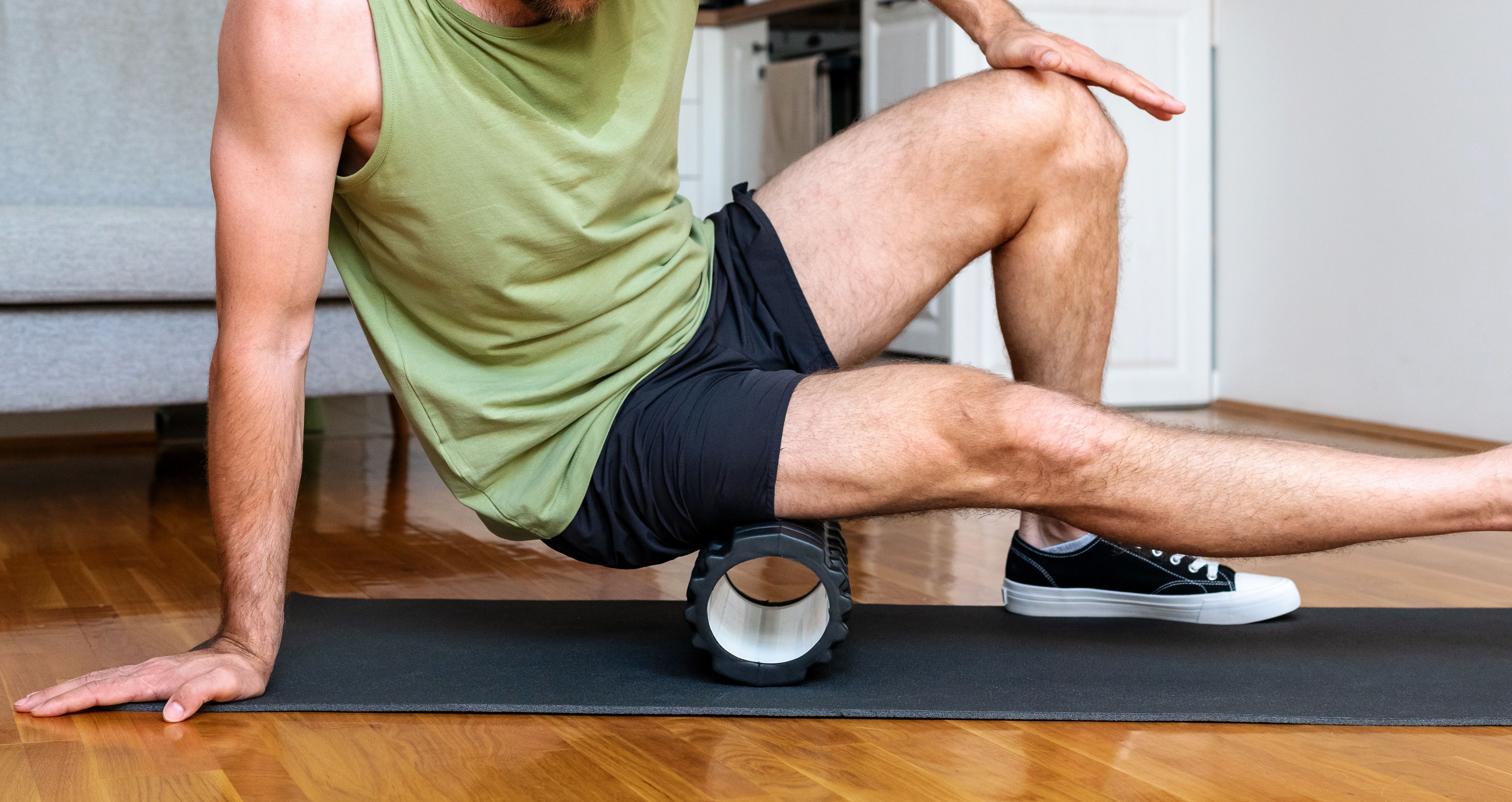
Foam rolling is an accessible and effective way to release muscle tension and improve flexibility. By applying pressure to specific areas of the body, foam rollers can help break down scar tissue and increase blood flow. This method is particularly beneficial for large muscle groups such as the quadriceps, hamstrings, and back.
How to Use a Foam Roller
To effectively use a foam roller, position it under the muscle group you wish to target and slowly roll back and forth. Spend about 30 seconds on each area, focusing on any tight spots. Regular use can significantly enhance muscle recovery and prevent injuries.
Incorporating Stretching Routines
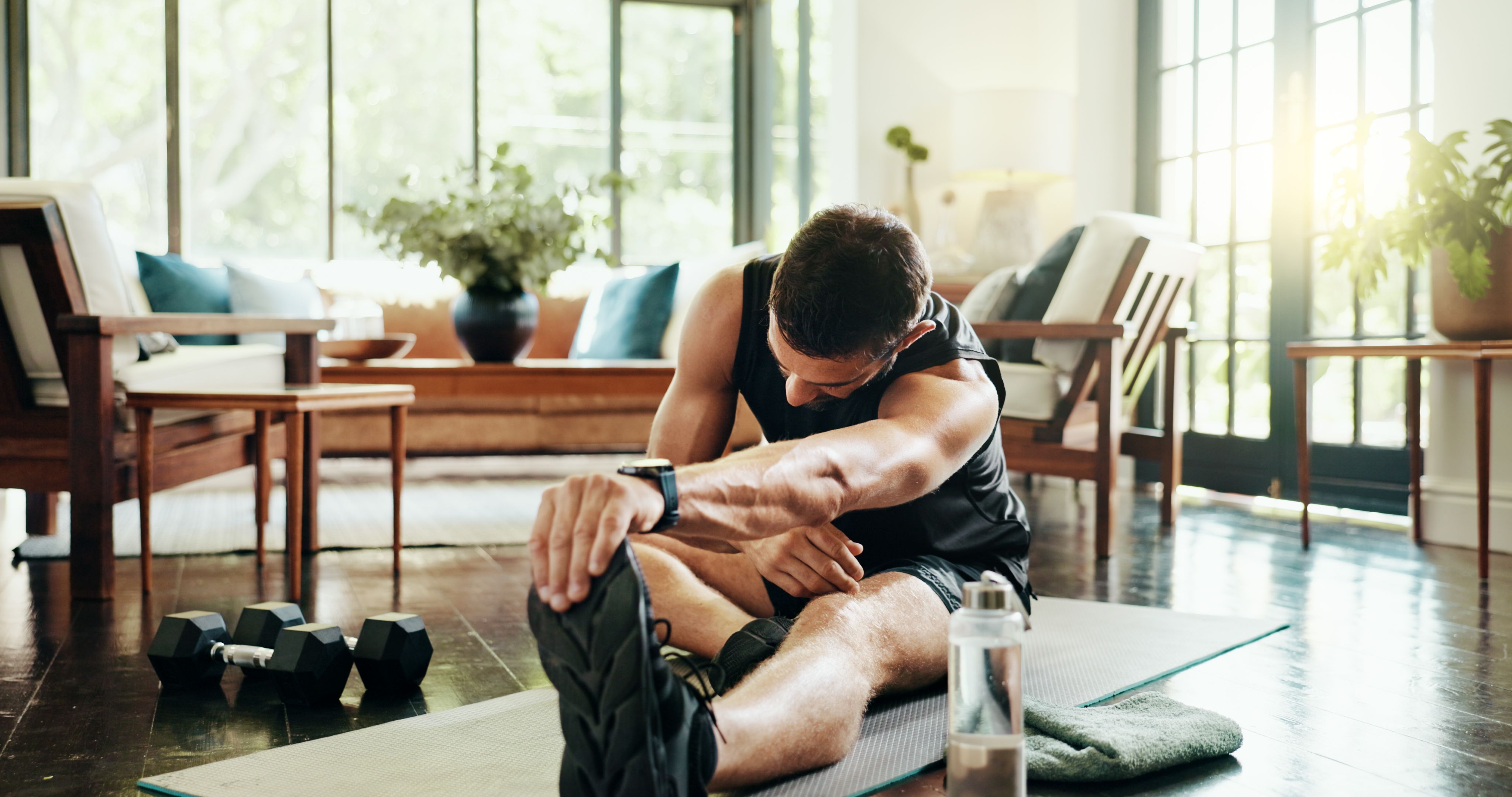
Stretching is a fundamental component of any recovery regimen. It helps increase flexibility, reduce muscle tension, and prevent injuries. Incorporating a daily stretching routine can lead to more efficient recovery and improved athletic performance.
Effective Stretching Techniques
Consider implementing both static and dynamic stretches. Static stretches involve holding a position for a prolonged period, while dynamic stretches involve controlled movements that improve range of motion. A balanced combination of both can yield optimal results.
Hydration and Nutrition
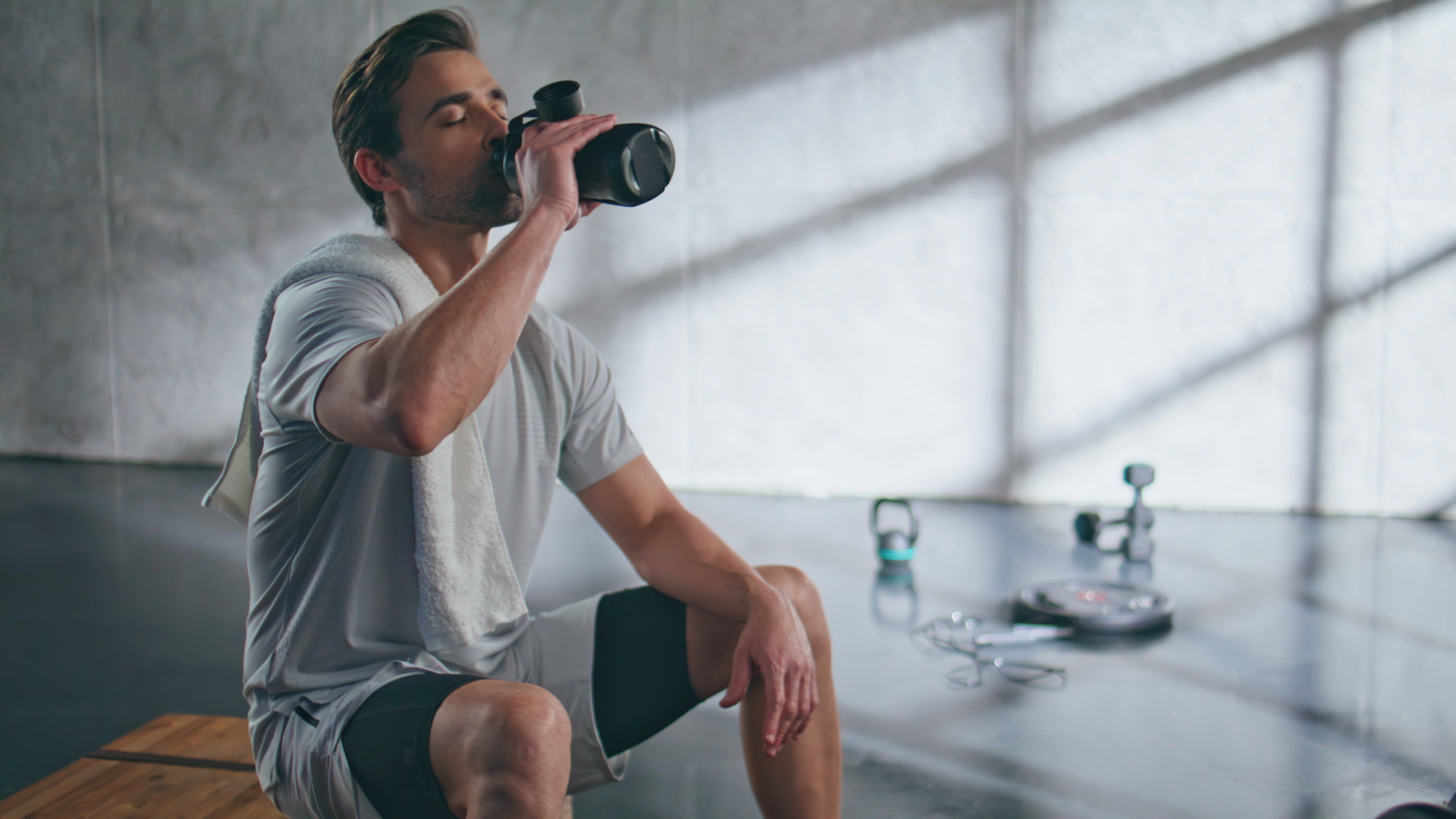
Proper hydration and nutrition play crucial roles in sports recovery. Water is essential for muscle function and recovery, while nutrients aid in repairing tissues and replenishing energy stores. Focus on a balanced diet rich in proteins, carbohydrates, and healthy fats to support your recovery process.
Hydration Tips
Ensure you drink enough fluids before, during, and after exercise. Consider adding electrolytes to your water to replace those lost through sweat. Monitoring your hydration levels can prevent fatigue and promote quicker recovery.
Using Cold and Heat Therapy
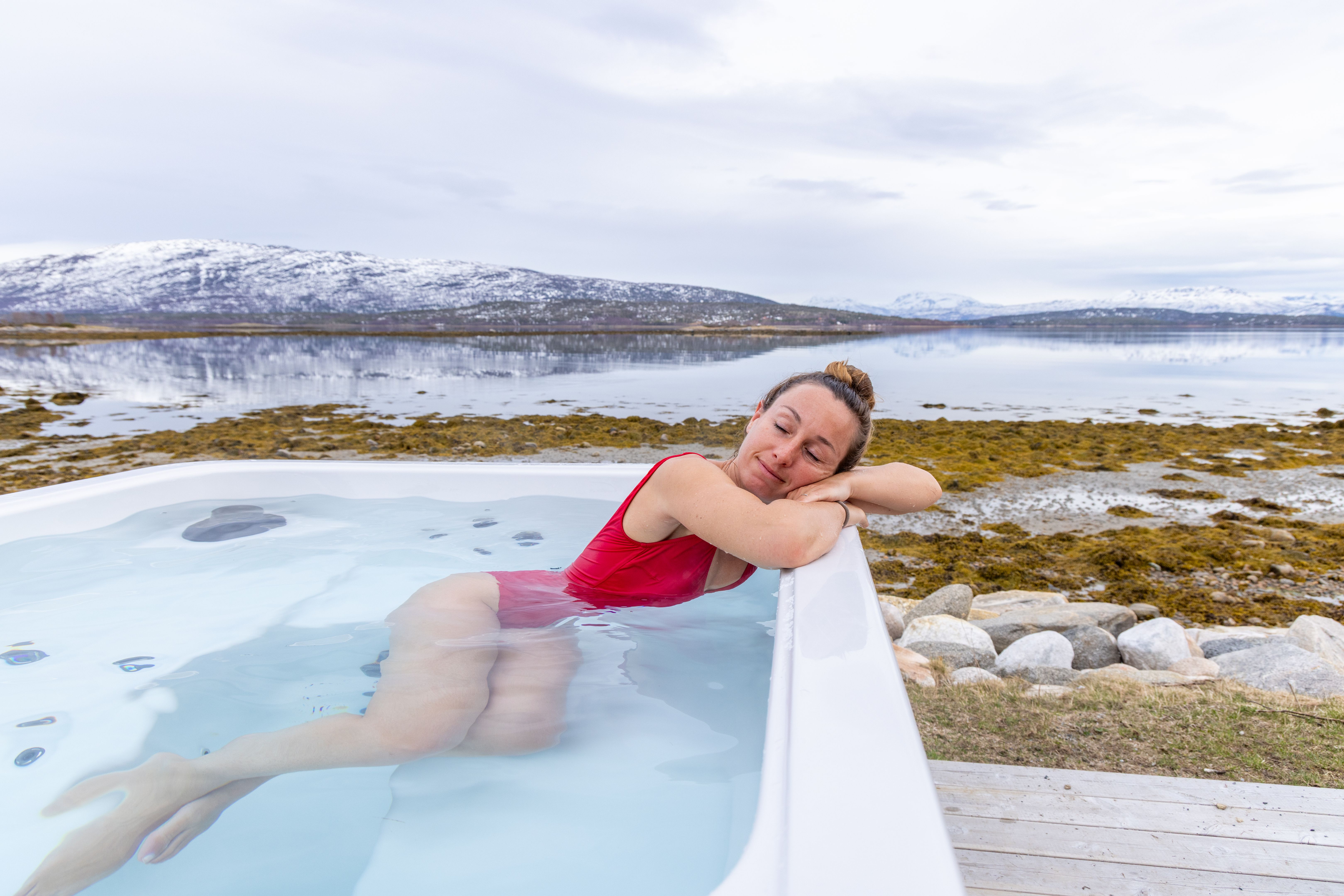
Alternating between cold and heat therapy can effectively reduce inflammation and alleviate muscle soreness. Cold therapy, such as ice baths, can decrease swelling, while heat therapy can relax and loosen tissues, stimulating blood flow to the affected areas.
Applying Cold and Heat
Use ice packs or cold compresses for 15-20 minutes immediately after intense exercise. Follow up with heat therapy using a warm towel or heating pad to soothe muscles. This combination can accelerate the recovery process.
Conclusion
Incorporating these DIY techniques into your sports recovery routine can greatly enhance your performance and well-being. By understanding and utilizing these methods, you empower yourself to maintain peak physical condition and prevent injuries. Remember, consistency is key, and listening to your body will guide you in tailoring the perfect recovery plan.