Debunking Myths About Cryotherapy: What You Need to Know


Introduction to Cryotherapy
In recent years, cryotherapy has emerged as a popular treatment for a variety of health and wellness goals. From athletes seeking quicker recovery to individuals looking to improve their skin health, cryotherapy promises numerous benefits. However, despite its growing popularity, several myths and misconceptions persist about this chilly treatment.
Myth 1: Cryotherapy Is Painful
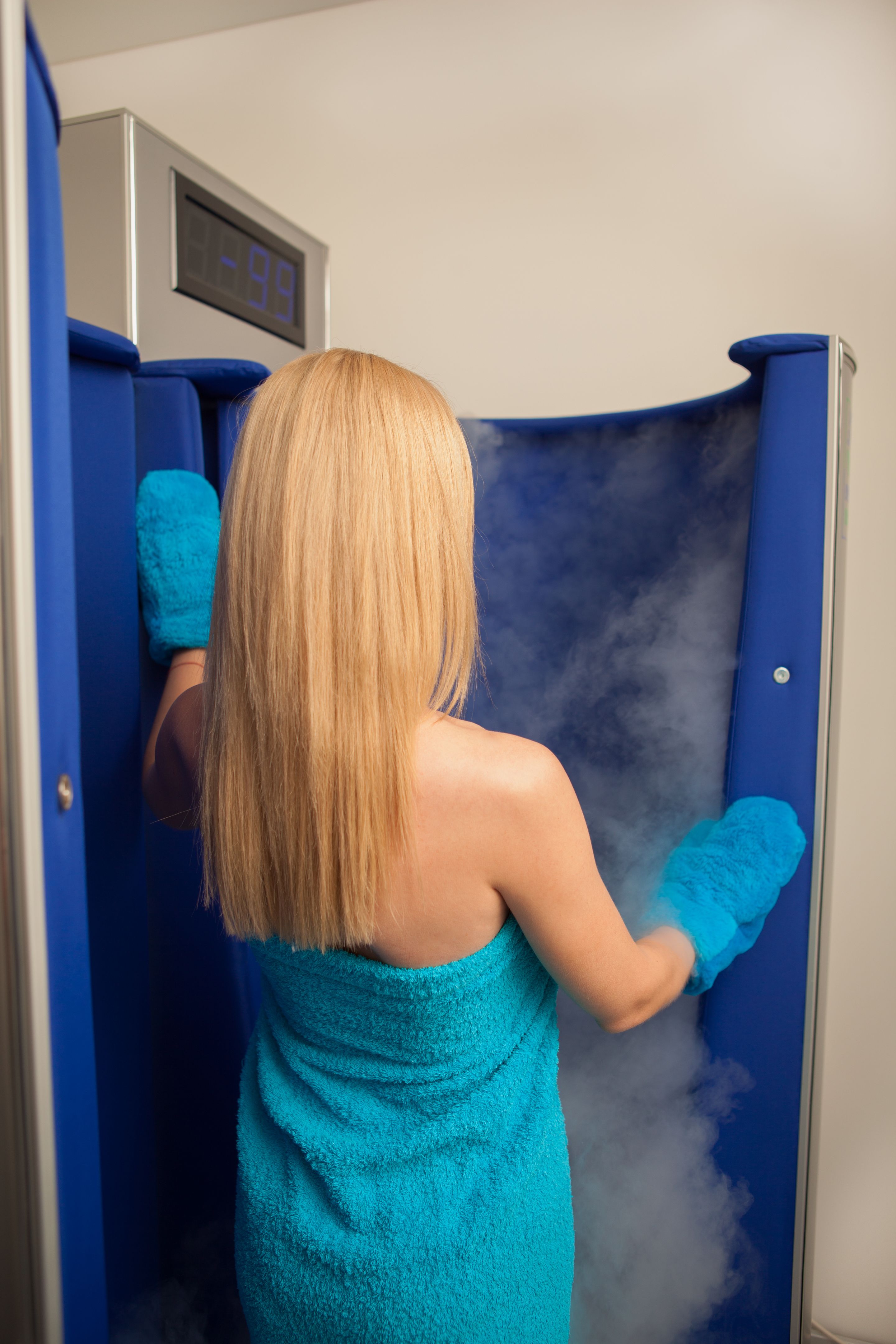
One of the most common misconceptions is that cryotherapy is a painful experience. In reality, while the temperatures are indeed extremely low, the treatment is typically well-tolerated by most individuals. The sensation is often described as invigorating rather than painful. Sessions are short, usually lasting only two to three minutes, which minimizes discomfort.
Understanding the Cold
The cold temperatures in cryotherapy are achieved using liquid nitrogen or refrigerated air, which cools the body’s surface rapidly. This quick exposure to cold can trigger endorphin release, providing a feeling of euphoria and well-being post-treatment.
Myth 2: Cryotherapy Is Only for Athletes
While athletes frequently use cryotherapy for muscle recovery and performance enhancement, it's not limited to them. Many people turn to cryotherapy for a range of health benefits, including reduced inflammation, improved circulation, and even enhanced mood.
Benefits Beyond Sports
Cryotherapy can be beneficial for anyone seeking relief from chronic pain, arthritis, or looking to accelerate recovery from injury. Additionally, some users find it effective for skin rejuvenation and weight management.

Myth 3: Cryotherapy Burns a Significant Amount of Calories
Another myth is that a few minutes in a cryotherapy chamber will burn hundreds of calories. While cryotherapy does increase metabolic rate temporarily, the calorie burn is not as substantial as some claims suggest. It complements a healthy lifestyle rather than replacing traditional exercise and diet.
The Science of Calorie Burn
The slight increase in calorie expenditure post-treatment is due to the body's need to warm itself up after exposure to cold. However, it should be viewed as a supplementary benefit rather than the primary reason for undergoing cryotherapy.
Conclusion
Cryotherapy offers a range of potential benefits, but it's essential to separate fact from fiction. By understanding what cryotherapy can and cannot do, individuals can make informed decisions about whether it is the right treatment for their needs. Always consult a healthcare professional before starting any new treatment regimen.