
Cryotherapy vs. Traditional Ice Baths: Which is More Effective?


Introduction to Cryotherapy and Ice Baths
When it comes to recovery methods for athletes and fitness enthusiasts, both cryotherapy and traditional ice baths have gained popularity. While both aim to reduce inflammation and speed up recovery, they utilize different approaches. Understanding the differences can help you decide which method might be more effective for your needs.
What is Cryotherapy?
Cryotherapy involves exposing the body to extremely cold temperatures for a short period, typically in a cryo chamber. This process helps in reducing muscle soreness, inflammation, and even boosts mood and energy levels. The temperature in a cryotherapy session can drop to as low as -200°F for about 2-3 minutes.
Benefits of Cryotherapy
Cryotherapy is often praised for its quick and efficient process. The brief exposure to extreme cold is believed to trigger a response that accelerates recovery and reduces pain. Additionally, some users report improved skin tone and even weight loss benefits.

Traditional Ice Baths Explained
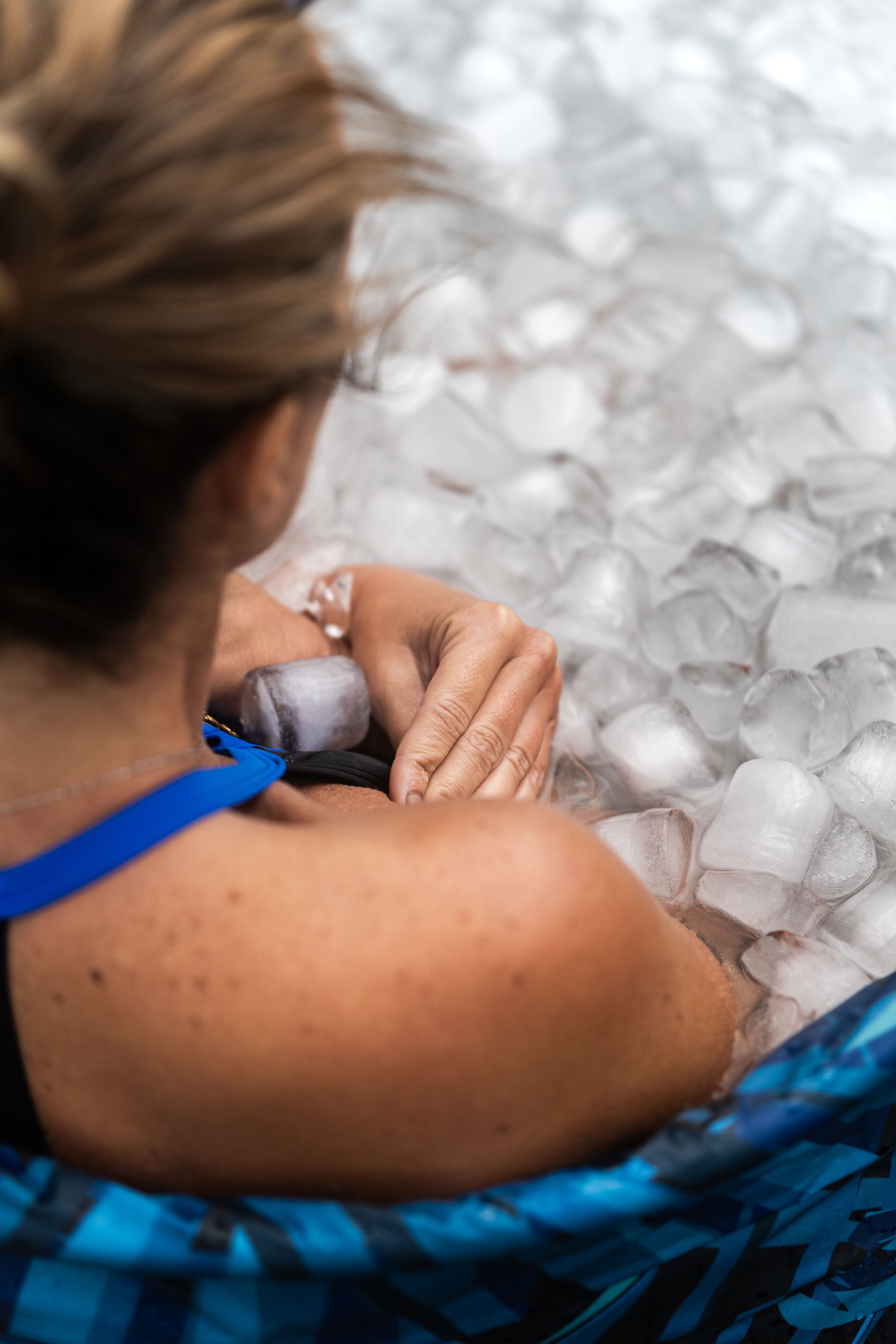
Ice baths, on the other hand, involve submerging the body in cold water, typically ranging from 50°F to 59°F, for approximately 10-15 minutes. This method has been used for decades to help athletes recover from intense physical activity.
Advantages of Ice Baths
Ice baths are known for their ability to reduce swelling and inflammation, which can be especially beneficial after a strenuous workout. Many athletes find that regular ice baths help in maintaining peak performance by minimizing downtime due to soreness.
Comparing Effectiveness
When comparing cryotherapy and ice baths, it’s important to consider the differences in time commitment, accessibility, and individual response. Cryotherapy sessions are quick and efficient, while ice baths require more time and preparation.
Factors to Consider
- Time: Cryotherapy is quicker, making it suitable for those with tight schedules.
- Cost: Ice baths are generally more cost-effective as they require less specialized equipment.
- Personal Preference: Some prefer the intense cold of cryotherapy, while others find ice baths more comfortable.
Conclusion
Ultimately, the choice between cryotherapy and traditional ice baths depends on individual needs and preferences. Both methods offer unique benefits and can be effective in promoting recovery. It might be beneficial to try both and see which one your body responds to more positively.
Whether you choose cryotherapy or ice baths, incorporating cold therapy into your recovery routine can be a game-changer in achieving your fitness goals.