
Accelerate Your Sports Injury Recovery with Cold Therapy Treatment


Understanding Cold Therapy Treatment
Cold therapy, also known as cryotherapy, is a popular treatment for sports injuries. It involves the application of cold to the injured area to reduce swelling, pain, and inflammation. This method has been used for decades and remains a staple in sports medicine due to its effectiveness in speeding up recovery.
How Cold Therapy Works
When applied to an injury, cold therapy constricts blood vessels and decreases metabolic activity, which reduces swelling and tissue breakdown. The cold also numbs nerve endings, providing pain relief. This makes it an excellent choice for acute injuries like sprains and strains.
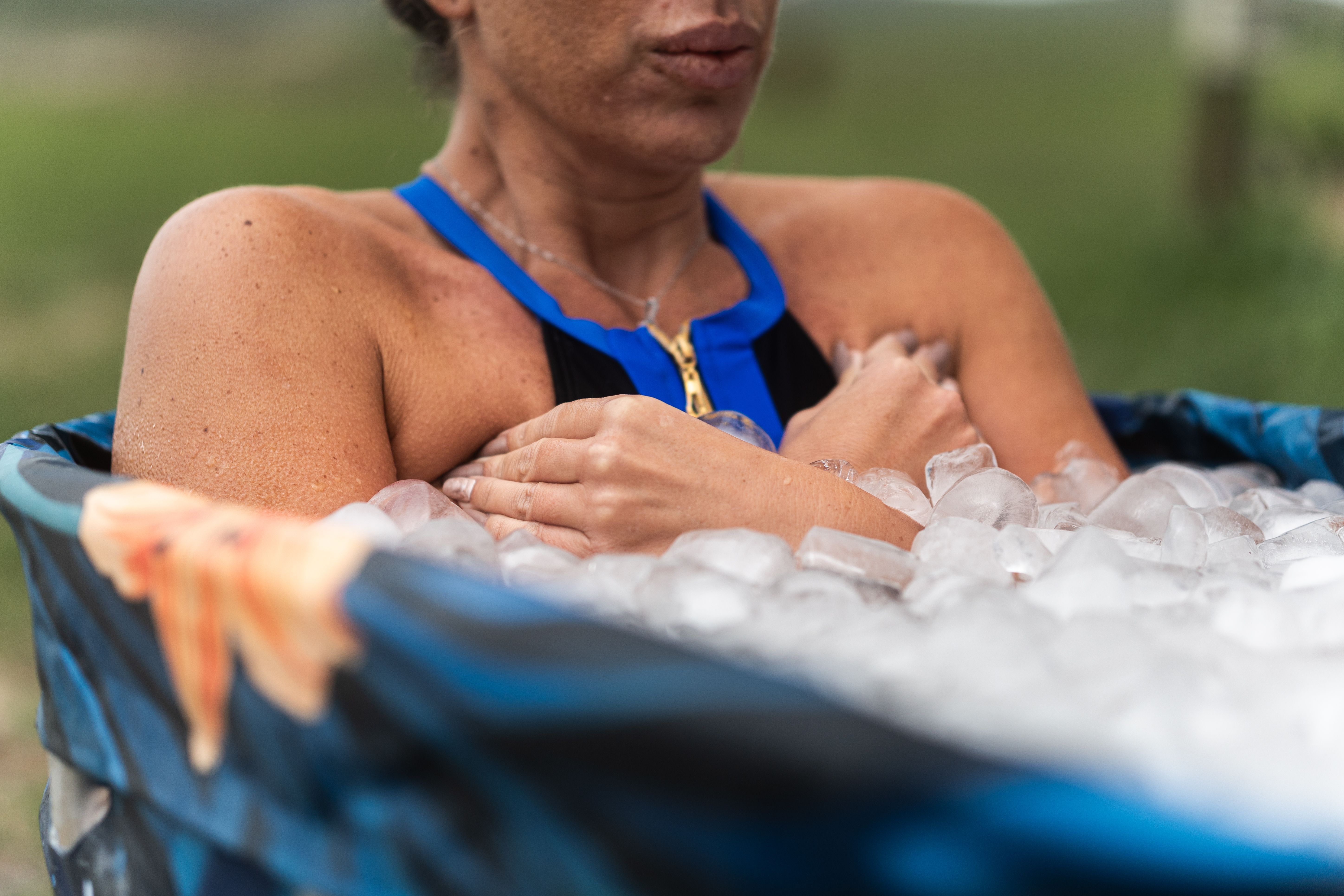
Common methods of cold therapy include ice packs, cold water immersion, and cryotherapy chambers. These options vary in intensity and application, providing flexible solutions for different types of injuries.
Benefits of Cold Therapy for Athletes
Athletes can significantly benefit from cold therapy. Not only does it reduce recovery time, but it also minimizes the risk of further injury. By controlling inflammation and pain, athletes can return to their sport more quickly and safely.
- Reduces Inflammation: Cold therapy is effective in reducing inflammation, which is crucial for quick recovery.
- Pain Relief: The numbing effect provides immediate pain relief, allowing athletes to manage discomfort without medication.
- Prevents Tissue Damage: By slowing down metabolic processes, cold therapy helps prevent further tissue damage.
When to Use Cold Therapy
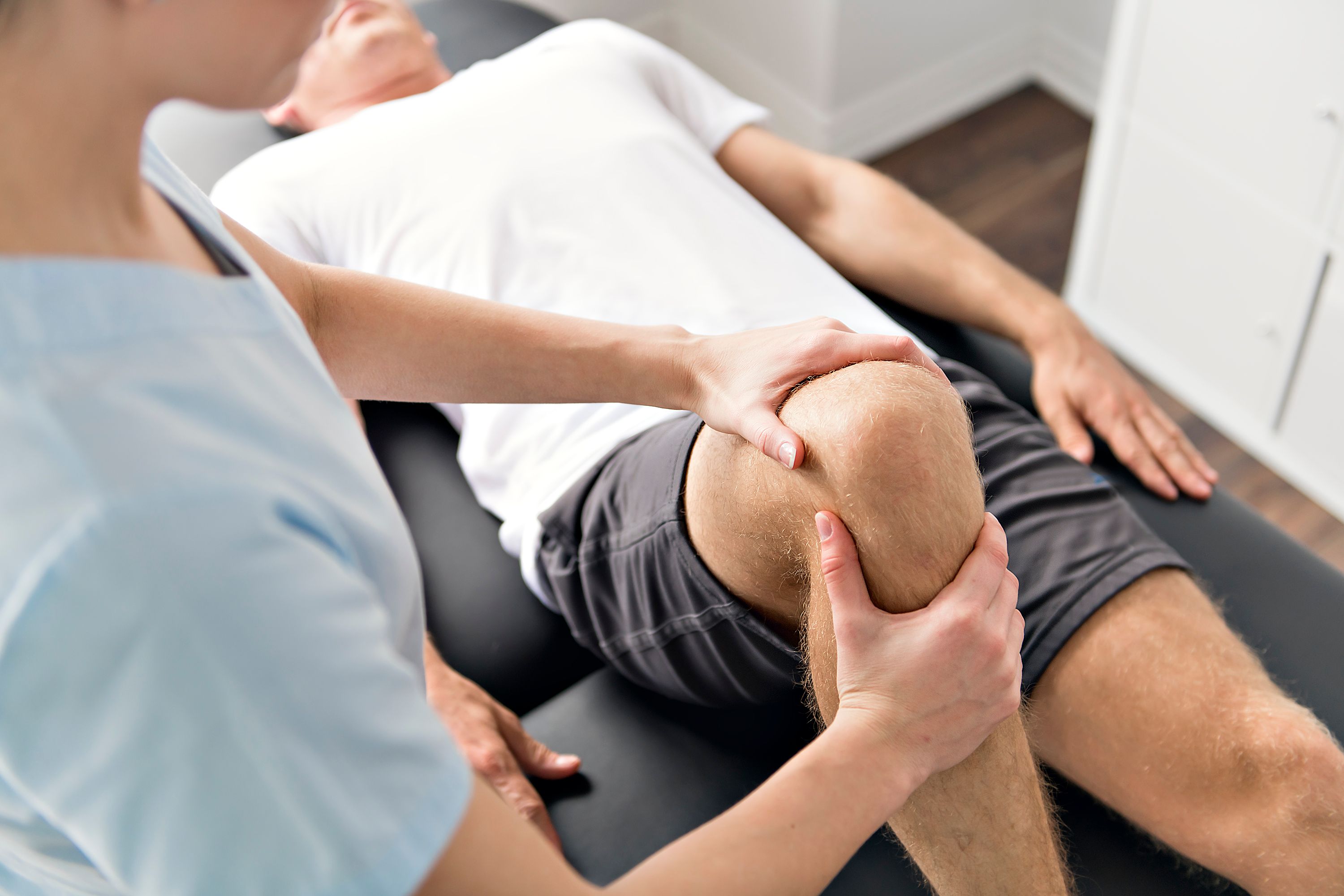
Cold therapy is most effective when used immediately after an injury. It should be applied within the first 24 to 48 hours to achieve the best results. The general rule is to apply cold for 15-20 minutes at a time, allowing the skin to return to normal temperature between applications.
However, it is essential to consult with a healthcare professional to ensure that cold therapy is appropriate for your specific condition, as certain injuries may require alternative treatments.
Different Cold Therapy Techniques
There are several techniques available for applying cold therapy, each with its benefits and considerations. Here are some common methods:
- Ice Packs: Convenient and easy to use, ice packs can be applied directly to the injured area.
- Cold Water Immersion: Ideal for larger areas or multiple injuries, this involves submerging the body or limb in cold water.
- Cryotherapy Chambers: These offer whole-body exposure to extreme cold and are often used by professional athletes.
Precautions and Considerations
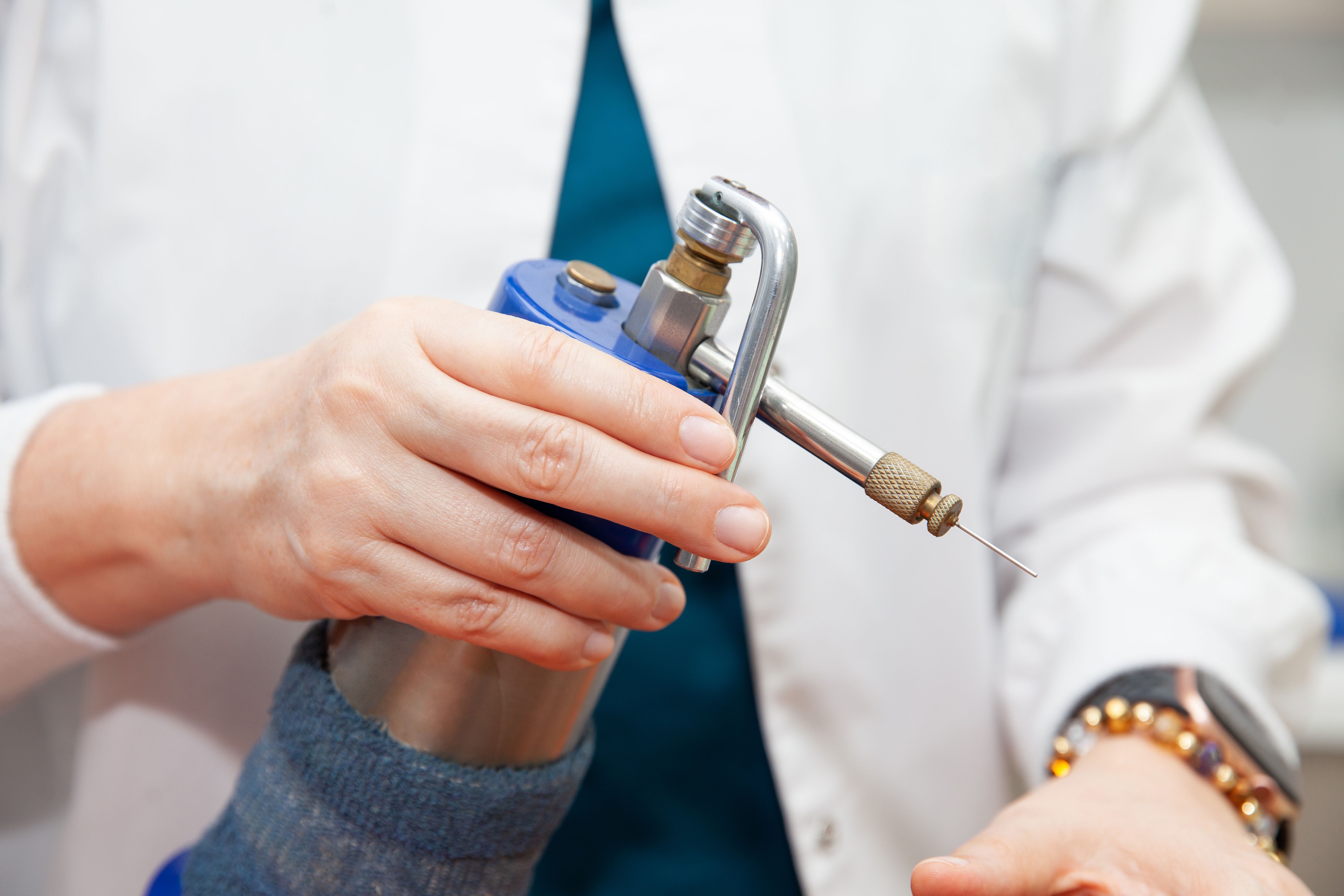
While cold therapy is generally safe, it is essential to take certain precautions to avoid skin damage or frostbite. Never apply ice directly to the skin; always use a barrier like a cloth or towel. Additionally, limit the application time to prevent any adverse effects.
Individuals with certain medical conditions such as Raynaud's disease or cold allergies should avoid cold therapy. It is always best to consult with a healthcare provider before starting any new treatment.
Integrating Cold Therapy into Your Recovery Plan
Integrating cold therapy into your recovery plan can be straightforward. Combine it with other treatments like rest, compression, and elevation (RICE) to enhance its effectiveness. Additionally, consider working with a physical therapist to tailor a comprehensive recovery strategy.
By understanding and utilizing cold therapy, athletes and sports enthusiasts can optimize their recovery process, ensuring a safer and quicker return to their activities.